首页 >Lifestyle
齐白石九十三岁朱砂红底闪金群虾神品
2026-07-10 15:10:01
来源:互联网
此幅为齐白石九十三岁晚年巅峰之作,摒弃传统素纸水墨,选用喜庆正红宣纸为底,采用高闪纯金粉绘制六只群虾,纸面金粉颗粒清晰,光线流转间虾身、虾须泛细腻流光,金光灵动璀璨,红底衬金纹,华贵大气,市面罕见红底金墨虾题材,稀缺度极高。
取齐氏独门写虾笔法,寥寥金线勾勒虾身通透肌理,长须飘逸交错、虾螯劲挺灵动,六虾错落游弋,留白化作一池清水,计红为水、以金塑灵,无一笔冗余,完美复刻白石老人画虾数十年打磨的传神功底,静立观之,似群虾在红波间自在穿梭,鲜活逼真,跃然纸上。左侧竖行书完整题款:九十三岁白石老人画于京华,下方钤齐氏自用闲章,笔墨苍老劲健,是其晚年书法与绘画合一的经典范式。
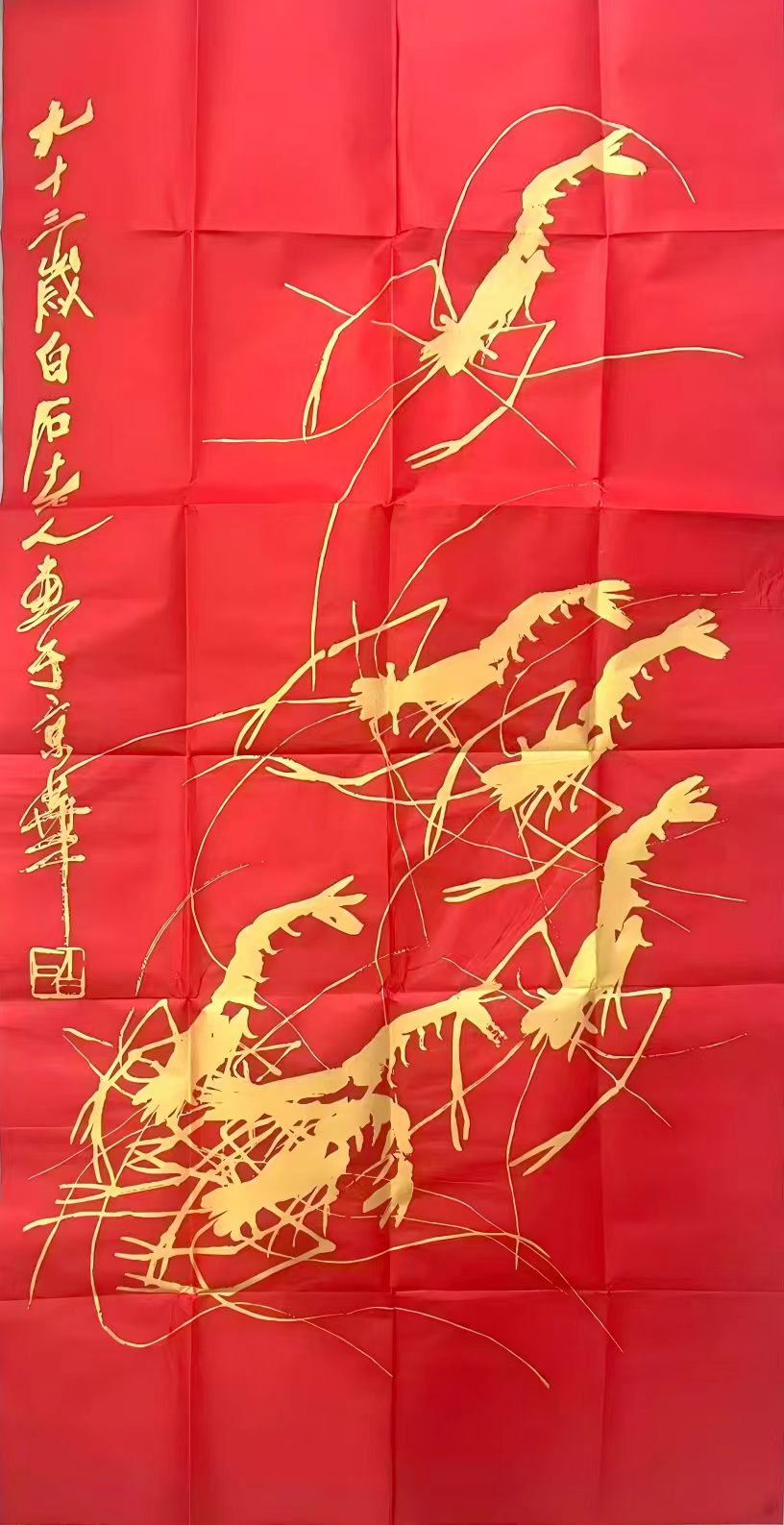 红底纳鸿运:朱砂正红为中式传统大吉之色,象征家宅红火、事业兴旺、鸿运当头,乔迁开业、祝寿送礼皆适配,镇宅添喜;
金虾聚财禄:金粉绘虾喻黄金万两,民间将虾视作水中小龙,有龙气护身、镇宅旺运之意;虾谐音 “遐”,代表遐龄长寿;一节节虾身寓意节节高升,事业财运一路顺遂;虾身姿柔韧,暗含能屈能伸、处事通达的人生智慧。齐白石画虾是近现代国画顶级 IP,水墨虾存世较多,红底闪金粉群虾存世极少,金墨工艺繁复、耗材珍贵,多为当年高端定制吉祥藏品,兼具观赏、收藏、礼赠三重价值。此作为白石老人九十三岁暮年巅峰手笔,彼时老人画虾技艺已入化境,摒弃常规白宣水墨,特选上等喜庆朱砂红宣纸作底,以重金调制闪光金粉运笔绘灵虾。金线勾勒虾身通透饱满,虾节层次分明,虾螯劲挺有神,漫天虾须纵横舒展、虚实相生,红底化碧波,金虾游其间,不用一滴水墨,便画出群虾穿梭水间的灵动鲜活,栩栩如生仿若下一秒就要跃出纸面,笔墨功力登峰造极,绝非普通仿品可比。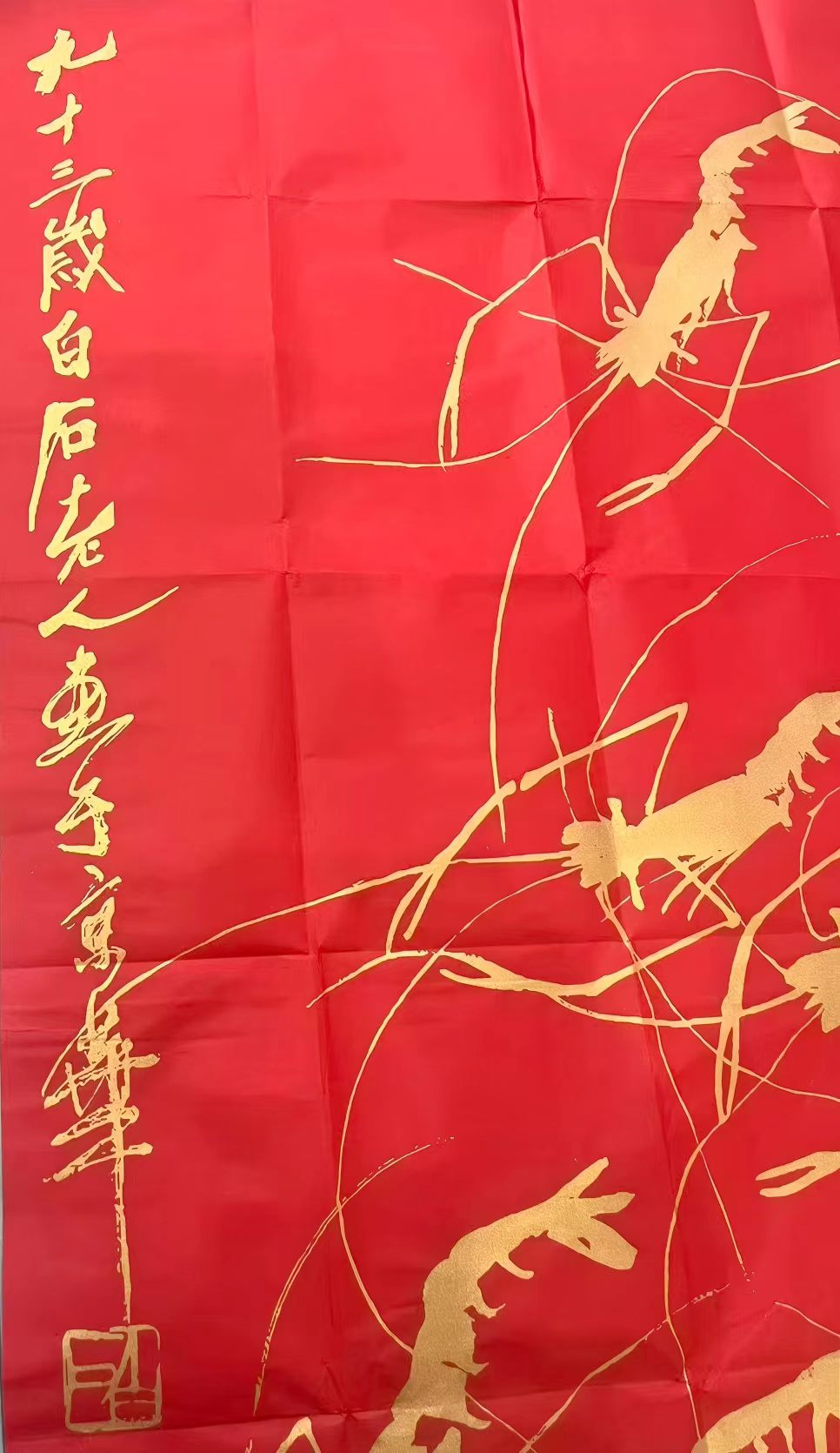
市面上 99% 齐白石虾画皆为白色生宣水墨,此幅彻底打破常规,甄选上等加厚朱砂大红喜庆宣纸,底色浓郁纯正,红韵沉稳不艳俗,自带中式正统鸿运气场;整幅画作不掺半点墨色,全程采用高纯度进口闪光金粉调和金胶绘制,区别于普通哑光金墨,凑近观赏可见虾身、虾螯、万千虾须遍布细密金闪颗粒,自然光、灯光下轻微转动画面,整幅金线泛起层层流动碎金光晕,虾身似裹一层流动真金,流光闪烁、熠熠生辉,视觉冲击力远超普通水墨作品,早年仅用于达官显贵贺寿、招财专属定制,存世量极度稀少,属于可遇不可求的稀缺特种题材。
纸张留存完整,仅轻微原生折痕,无破损、无晕染、无脱金,金粉附着力极强,历经岁月依旧金光饱满,红底不褪色,完整保留原作初始华贵质感,品相在同类红底金画中属上等水准。
-
虾头浓金堆叠,虾枪锋利分明,虾螯屈伸灵动,或收拢、或舒展,动态鲜活有力;
-
数不清的细长虾须以极细金粉长线挥洒,纵横交错、疏密相生,长线飘逸不杂乱,短线点缀显层次,以红纸留白化作清水,无需一笔波纹,便能让人感知群虾穿梭碧波的动态,静中有动、无声似有声,仿佛能看见虾群缓缓游动、触须轻摆,栩栩如生,跃然红纸之上。
This masterpiece was painted by Qi Baishi at the peak of his artistic career at the age of ninety-three. Departing from the conventional ink wash paintings on plain white rice paper, the work adopts festive crimson red rice paper as its background, with six shrimp rendered entirely in highly reflective pure gold powder. Fine gold specks are clearly visible across the surface; as light shifts, delicate luminous glimmers radiate off the shrimp bodies and flowing whiskers, shimmering brilliantly. The striking contrast of golden brushwork against the rich red backdrop exudes magnificent grandeur. Works featuring gold ink shrimp on a red base are extremely rare in the market, rendering this piece extraordinarily scarce.
Executed with Qi’s exclusive signature technique for painting shrimp, sparse golden lines capture the translucent texture of the shrimp carapaces. Their lengthy whiskers weave elegantly across the composition, while sturdy pincers brim with vivid vitality. The six shrimp drift in staggered formation; blank red negative space evokes a clear pool of water, turning the red paper into rippling waves and breathing life into the golden crustaceans. Not a single stroke is superfluous, perfectly embodying the lifelike mastery Qi honed over decades of painting shrimp. Standing before the painting, viewers can almost see the school of shrimp gliding freely through scarlet currents, rendered so vividly they seem poised to leap off the page.
Along the left margin runs a complete vertical calligraphic inscription: Painted in the Capital by Elder Baishi at Ninety-Three Years of Age. Below the inscription rests Qi Baishi’s personal leisure seal. The calligraphy bears weathered, forceful brushstrokes, representing a quintessential example of the integrated painting and calligraphy style that defined his later years.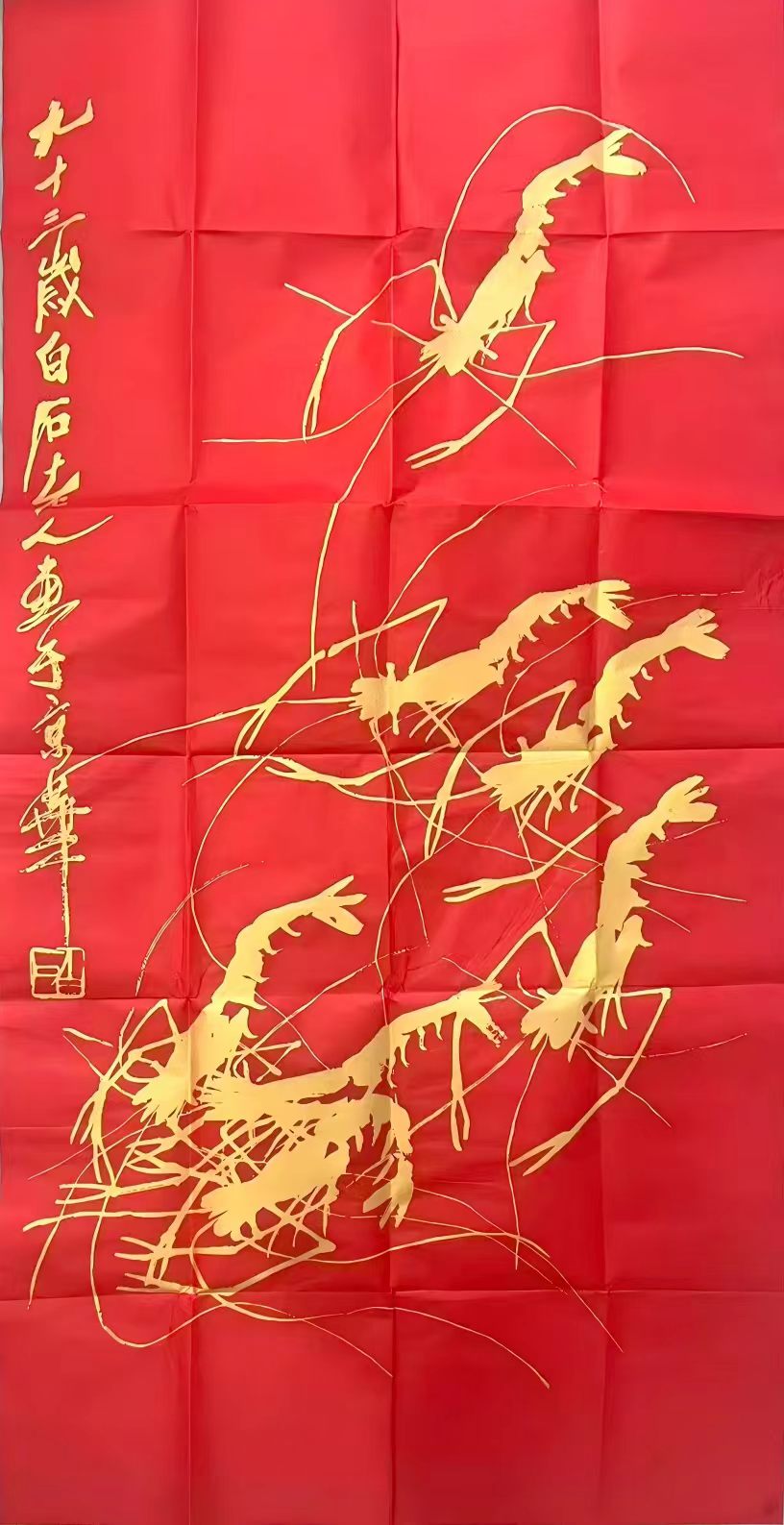
Red Background to Attend Auspicious Fortune
Vermilion red stands as the most auspicious hue in traditional Chinese culture. It symbolizes a thriving household, flourishing careers and boundless good luck. Ideal for housewarming, grand opening and birthday gift-giving, this artwork blesses the residence with joy and good fortune while warding off ill luck.
Golden Shrimp to Gather Wealth and Honor
Shrimp rendered in shimmering gold powder signify mountains of gold and abundant treasure. In folk culture, shrimp are deemed "mini dragons of the water", whose dragon aura shields the household, stabilizes feng shui and boosts prosperity. The Chinese character for shrimp shares the same pronunciation as "xia", which refers to a long lifespan, representing longevity and health. The segmented shrimp bodies symbolize steady promotion, promising smooth progress in both career and wealth. The flexible posture of shrimp also embodies a life wisdom: to bend yet never break, and to handle affairs with open-minded tact.
Paintings of shrimp by Qi Baishi rank as the top iconic IP of modern Chinese traditional painting. While ink-wash shrimp works are widely preserved, group shrimp paintings crafted with shimmering gold powder on red backgrounds are extremely rare. The gold ink technique involves complicated procedures and costly raw materials; such pieces were exclusively custom-made high-end auspicious collectibles back in the day, boasting triple value as artwork for appreciation, collection and premium gifts.
This piece represents the pinnacle of Qi Baishi’s late artistic creation, completed when he was ninety-three years old. By then, his skill at painting shrimp had reached an unparalleled ethereal realm. Breaking away from conventional ink wash on plain white rice paper, he handpicked premium festive vermilion rice paper as the base, and painted the vivid shrimp with glittering gold powder mixed from precious gold pigments. Delicate golden lines outline plump, translucent shrimp bodies with distinctly layered segments, paired with robust, spirited pincers. Countless slender shrimp whiskers stretch freely across the frame, balancing void and substance. The red backdrop transforms into rippling blue waves, with golden shrimp roaming amid the imaginary water. Not a single drop of black ink is used, yet the painter captures the vivid liveliness of shrimp darting through currents—so lifelike they seem ready to leap off the paper at any moment. The brushwork here reaches the zenith of artistic mastery, utterly unmatched by ordinary counterfeit reproductions.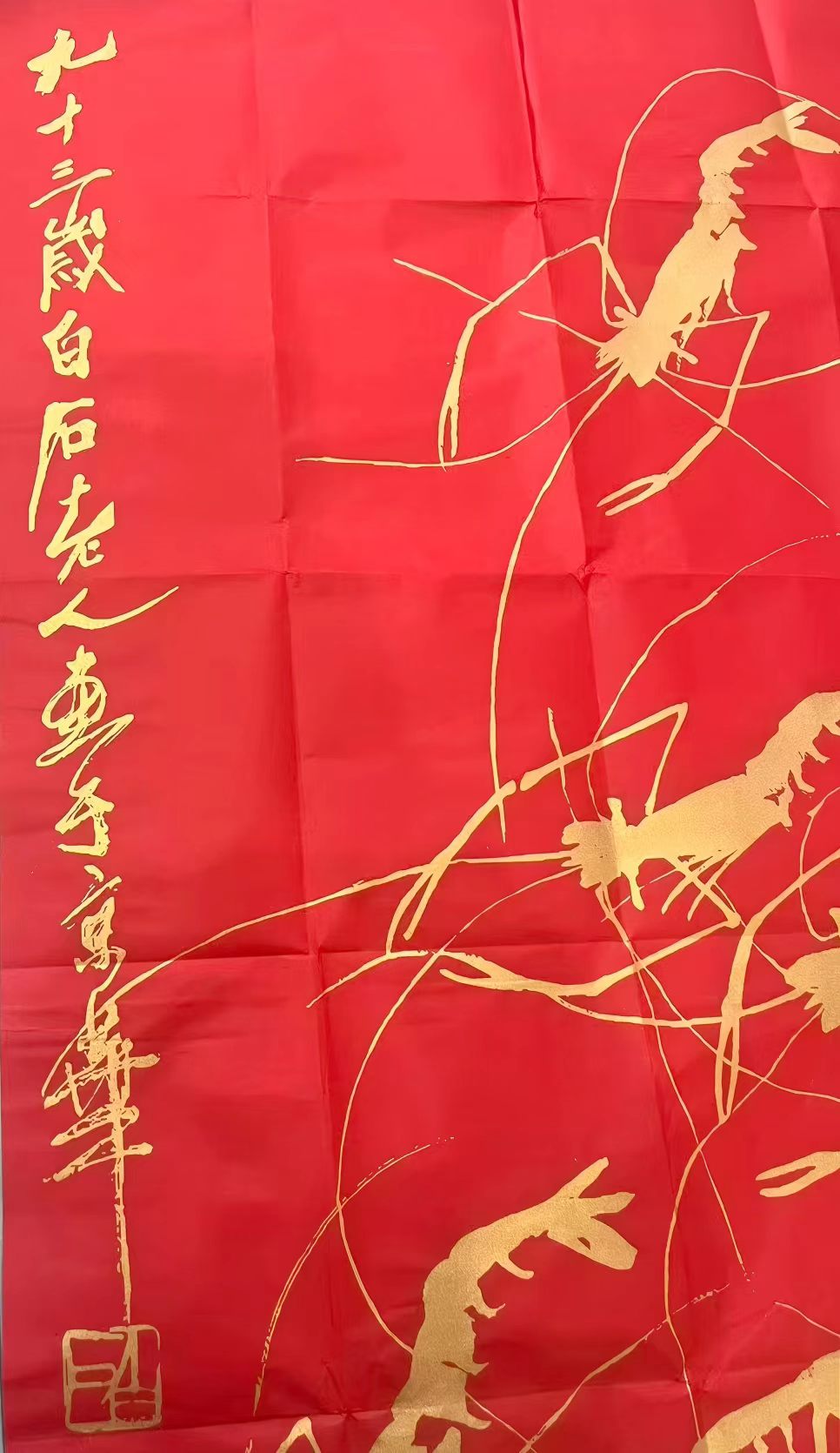
免责声明
【慎重声明】 凡本站未注明来源为“默认站点”的所有作品,均转载、编译或摘编自其它媒体,转载、编译或摘编的目的在于传递更多信息,并不代表本站赞同其观点和对其真实性负责。 如因作品内容、版权和其他问题需要同本网联系的,请在30日内进行!
最新文章

光明乳业把童年藏进这一口冰凉甜梦里
2026-09-18 17:40:44

开学季|从“追着喂”到“主动吃”,中医儿科的脾胃调理法
2026-09-18 09:49:03

未来医疗 AI 辅助诊疗:普通人能感受到哪些改变
2026-09-16 23:19:47